I used to be suspicious of hope.
After enough letdowns, enough things that didn’t pan out, enough times I let myself believe things would turn around only to watch them crumble, I started seeing hope as dangerous. Naive. A trap that just led to more pain.
And honestly, some of that suspicion made sense. Because what I’d been calling hope wasn’t actually hope. It was denial wearing optimistic clothes. It was “good vibes only” and “everything happens for a reason” and “just stay positive” while everything around me was on fire. That was toxic positivity. And I was right not to trust it.
But somewhere in there I tossed out real hope along with the fake kind. And I want to talk about getting it back. Because hope, the actual thing, isn’t about pretending. It’s about surviving. And there’s a difference worth knowing.
Let’s be clear about what we’re not talking about here.
Toxic positivity is the expectation that you should feel good when you don’t. It’s pressure to locate the silver lining before you’ve even processed the storm. It’s someone telling you to look on the bright side while you’re actively drowning, as if your inability to smile is the real issue.
It sounds like:
“At least things could be worse.” “Just focus on what you’re grateful for.” “It all works out in the end.” “You just need to stay positive.” “Good vibes only.”
None of these are terrible on their own. Not always. But when they show up instead of actual acknowledgment, when they’re used to shut pain down instead of sit with it, they do damage. They tell you your suffering is an inconvenience. That you’re doing something wrong by struggling. That if you’d just fix your attitude, the problem would vanish.
Toxic positivity isn’t hope. It’s avoidance dressed up in hope’s outfit. And if you’ve developed an allergy to it, that makes complete sense.
Real hope is something else entirely.
Real hope doesn’t pretend pain isn’t there. It exists right alongside it. It says: this is hard, and I’m open to the possibility that something could change. Not “this isn’t hard” or “I should act like it isn’t hard.” More like: I’m hurting, and I still believe something different might be possible.
I remember a night during one of the worst stretches of my life. Sitting in my car in some parking lot, crying, completely crushed by everything falling apart. And right in the middle of it, this tiny thought showed up. Not even really a thought. More like a whisper. Something along the lines of: maybe it won’t always feel exactly like this.
That was hope. Not denial of how awful I felt. Not some silver lining or gratitude list. Just a small, stubborn crack of openness to the idea that the future might look different than right now.
Hope doesn’t ask you to feel better. It just asks you to stay open to the chance that you might. Eventually.
Here’s something I’ve come to believe: hope isn’t a luxury. It’s not something you get to enjoy when things are going smoothly. It’s a survival tool. And it matters most when things are worst.
Research actually supports this. People who manage to hold onto some sense of hope during hard times tend to have better outcomes. Not because hope fixes anything by magic, but because it keeps you moving. Keeps you trying. Keeps you putting one foot ahead of the other when giving up would be easier.
Hope is what makes you send one more application after a hundred rejections. What makes you try again after a relapse. What gets you out of bed on mornings when everything seems pointless. It’s not about expecting perfection. It’s about believing that doing something still matters. That the future is still worth showing up for.
This kind of hope isn’t naive. It’s actually incredibly courageous. Because hoping when things hurt means risking disappointment again. It means staying soft when shutting down would feel safer. It means refusing to let the hardest moments be the final word.
The key to getting hope back is understanding that it doesn’t replace pain. It lives alongside it.
You can be devastated and still hope. You can be exhausted and still hope. You can be furious, grieving, terrified out of your mind, and still have some thin thread of hope running through.
This is what toxic positivity misses completely. It treats hope and pain like opposites, like you have to pick one. But they’re not opposites. They’re layers. You can carry both at once.
Actually, I think hope means more when it shows up next to suffering. Anyone can feel optimistic when life is good. But hoping when everything hurts? That’s different. That’s not pretending. That’s defiance.
If you’ve lost track of hope, or if the toxic version burned you and now you don’t trust any of it, here are some ways back toward the real thing.
Start as small as possible. You don’t have to hope for everything to work out perfectly. You don’t need to believe in some grand happy ending. You can begin with: maybe today will be slightly less awful than yesterday. Maybe one single thing will go okay this week. Hope can be microscopic. It still matters.
Let it be uncertain. Real hope doesn’t demand confidence. You don’t have to be sure things will improve. You just need to stay cracked open to the possibility. “Maybe” is enough. “I don’t know, but possibly” is enough.
Ground it in evidence when you can. Think about times when things shifted. When difficult seasons ended. When something you were certain would destroy you somehow didn’t. You’ve made it through before. That’s information. It doesn’t promise anything about tomorrow, but it shows that change happens.
Don’t use hope to silence your pain. This part matters. If hope starts feeling like a way to avoid what you’re actually feeling, that’s not hope. That’s suppression. Real hope holds space for the hard parts. It says “this hurts AND I’m still open to something being different.” Both pieces are necessary.
Let other people hold hope for you. Sometimes you can’t generate it yourself. That’s fine. Let the people who care about you carry it when you’re tapped out. Borrow theirs. Let someone believe in your future when you can’t.
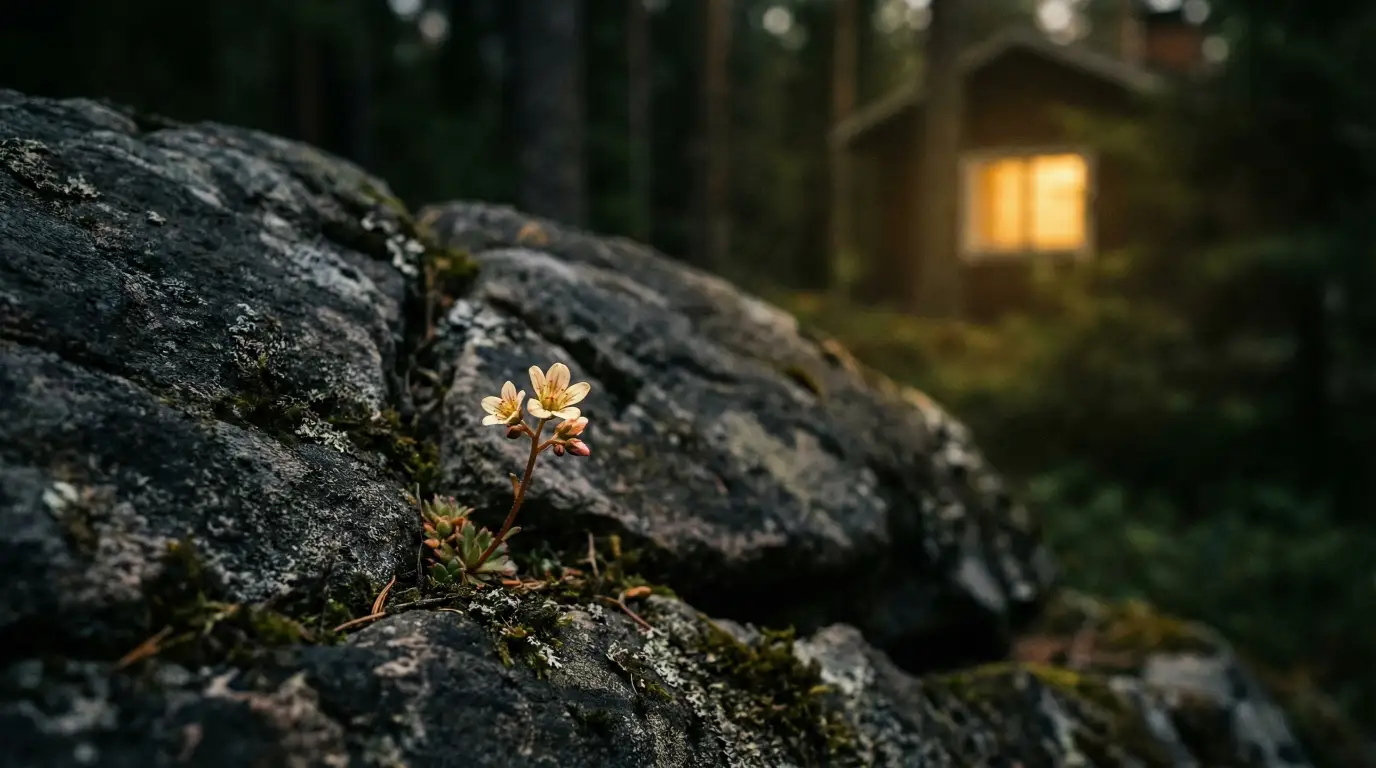
I think of hope like a quiet flame. Not a bonfire, not a spotlight. Just a small, persistent glow. The kind you shield with your hands to keep the wind from snuffing it out.
It doesn’t need to be dramatic. It doesn’t need to be loud. It just needs to stay lit.
And on the days when even that seems impossible, when the wind gets too strong and the flame goes dark, that’s okay too. Hope can be relit. You can use someone else’s match. You can sit in the dark for a while and find your way back to it when you’re ready.
What matters is not confusing real hope with the glossy, plastic version that expects you to grin through disaster. That version deserves suspicion. But real hope, the quiet kind, the stubborn kind, the kind that sits right next to your pain without trying to make it disappear, that’s worth holding onto.
You’re not being foolish for hoping. You’re not in denial. You’re doing one of the bravest things a human being can do: staying open to what’s coming when the present is brutal.
That’s not toxic positivity. That’s survival. And it matters more than you realize.